Historical Significance and Pattern Evolution
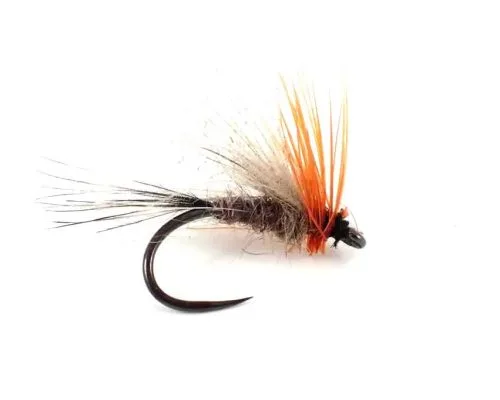
The March Brown CDC Fly represents a modern evolution of one of fly fishing’s most classic and effective patterns. Originally developed to imitate the March Brown mayfly (Rhithrogena germanica), this CDC variation enhances the cdc traditional pattern by incorporating CDC (Cul de Canard) feathers for improved flotation and lifelike movement. The pattern’s effectiveness during early spring hatches has made it a staple in fly boxes worldwide, particularly for targeting selective trout during specific mayfly emergences.
Premium Materials and Construction Details
Essential Materials List:
- Hook: Dry fly hook (sizes 12-14)
- Thread: Light brown or orange 8/0
- Tail: Fiery ginger coq de leon or brown microfibbets
- Body: Brown goose biot or dubbing
- Wing: High-quality CDC feathers
- Thorax: Darker brown dubbing
- Hackle: Brown or ginger dry fly hackle
- Rib: Fine gold or copper wire (optional)
- Head: Thread with clear finish
- Optional: CDC puff for thorax
Material Selection Considerations:
- Hook quality affects flotation
- Thread choice impacts body profile
- Tail material selection crucial for durability
- Body material affects realism
- CDC quality determines float characteristics
- Thorax dubbing creates proper profile
- Hackle quality influences float and stability
- Rib material adds segmentation
- Head finish protects materials
- CDC selection critical for performance
Detailed Tying Instructions
Preparation Steps:
- Select appropriate hook size
- Choose quality CDC feathers
- Prepare tail materials
- Select body materials
- Organize workspace
- Check tools
- Plan proportions
- Review pattern
- Test thread strength
- Prepare dubbing
Step-by-Step Tying Sequence:
- Start thread behind eye
- Create uniform thread base
- Tie in tail fibers
- Attach ribbing if using
- Form tapered body
- Wind rib forward
- Tie in CDC wing
- Add thorax dubbing
- Apply hackle
- Build neat head
- Whip finish
- Apply head cement
Advanced Fishing Techniques
Presentation Methods:
- Dead drift presentation
- Slight twitches
- Downstream drift
- Upstream presentation
- Cross-current fishing
- Film fishing
- Current seam presentation
- Structure approaches
- Pattern combinations
- Selective fish tactics
Water Reading Skills:
- Identify feeding lanes
- Recognize current breaks
- Spot rising fish
- Detect surface activity
- Read water clarity
- Locate prime lies
- Find transition zones
- Identify temperature breaks
- Track fish movement
- Monitor insect activity
Seasonal Strategies
Early Spring Tactics:
- Match early hatches
- Focus on warming water
- Target active fish
- Adjust presentation
- Monitor temperatures
- Watch for rises
- Follow fish movement
- Time presentations
- Adapt to conditions
- Match natural drift
Peak Season Applications:
- Early morning fishing
- Late evening sessions
- Target prime water
- Focus on hatches
- Match daily patterns
- Observe feeding windows
- Adjust to conditions
- Monitor water levels
- Watch temperatures
- Time presentations
Late Season Approaches:
- Match fall hatches
- Target feeding fish
- Adjust presentation style
- Watch water conditions
- Monitor temperatures
- Follow movement patterns
- Adapt to weather
- Time efforts effectively
- Match natural drift
- Adjust techniques
Technical Rigging Considerations
Leader Construction:
- Long, tapered leaders
- Quality tippet material
- Proper diameter selection
- Breaking strength considerations
- Length adjustments
- Material choices
- Knot selection
- Visibility factors
- Float characteristics
- Setup variations
Terminal Tackle:
- Tippet ring options
- Direct connection methods
- Leader construction
- Line control
- Strike detection
- Float adjustment
- Pattern spacing
- Drift control
- Presentation angles
- Setup modifications
Habitat-Specific Tactics
Water Types:
- Freestone streams
- Spring creeks
- Tailwaters
- Small brooks
- Large rivers
- Mixed waters
- Clear streams
- Pocket water
- Riffles
- Pools
Specific Locations:
- Feeding lanes
- Current seams
- Structure edges
- Bank water
- Mid-stream
- Transitions
- Drop-offs
- Shallow flats
- Deep runs
- Back eddies
Advanced Presentation Methods
Traditional Techniques:
- Upstream dry fly
- Downstream presentation
- Cross-current drift
- Reach cast
- Pile cast
- Parachute cast
- Aerial mend
- Stack mend
- Curve cast
- Wiggle cast
Modern Adaptations:
- Multiple fly rigs
- Emerger variations
- Film fishing methods
- Edge water tactics
- Structure approaches
- Pattern combinations
- Presentation modifications
- Depth control
- Speed variations
- Drift management
Pattern Variations
Size Considerations:
- Match natural insects
- Consider water type
- Adapt to pressure
- Account for clarity
- Follow seasonal trends
- Consider fish size
- Match preferences
- Adapt to conditions
- Consider speed
- Match forage base
Style Variations:
- Traditional hackled
- CDC wing only
- Parachute style
- Emerger version
- No-hackle variant
- Thorax style
- Film variant
- Low-floating version
- High-floating version
- Spent pattern
The March Brown CDC Fly represents the perfect combination of traditional design and modern innovation. Its carefully selected materials and precise construction ensure consistent performance across various fishing conditions. Whether targeting selective trout during specific hatches or searching for opportunistic feeders, this pattern provides the perfect tool for successful dry fly fishing throughout the season.