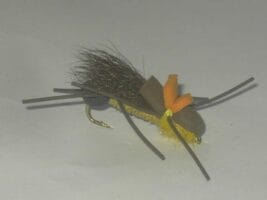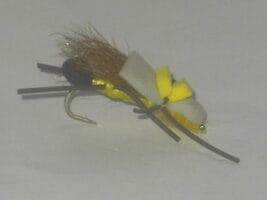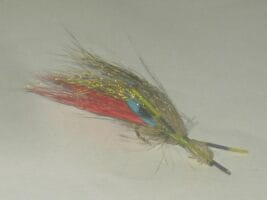
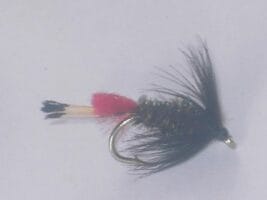
The Bomber is an iconic dry fly pattern renowned in Atlantic salmon and steelhead fishing circles. Originally developed for Atlantic salmon in Canadian waters, this large, buoyant pattern has become a standard in many anglers’ fly boxes. Its distinctive deer hair construction and versatile fishing applications have made it a classic pattern that has stood the test of time.
Design Features and Materials
Hook Characteristics:
- Premium salmon/steelhead hooks
- Available sizes: 2-8
- Strong wire construction
- Wide gap design
- Chemically sharpened points
- Bronze/black finish
- Optimal hook strength
- Enhanced penetration design
- Perfect size-to-weight ratio
- Multi-water durability
Material Components:
- Premium deer hair body
- White calf tail
- Quality hackle
- Enhanced durability
- Natural materials
- Color-fast characteristics
- Movement enhancement
- Natural appearance
- Balanced design
- High-floating profile
Pattern Variations
The pattern includes:
- Traditional Bomber
- Dirty Bomber
- Stealth Bomber
- Natural colors
- Bright variations
- Flash-enhanced styles
- Wake versions
- Skating patterns
- Mixed sizes
- Seasonal adaptations
Fishing Applications and Techniques
Presentation Methods:
- Dead drift
- Wake fishing
- Skating
- Surface disturbance
- Pattern placement
- Current fishing
- Structure targeting
- Cross-current presentations
- Action variation
- Traditional methods
Specialized Applications:
- Summer runs
- Surface fishing
- Clear conditions
- Low light periods
- Dawn/dusk periods
- Search pattern
- Active fish
- High-pressure situations
- Technical water
- Trophy hunting
Seasonal Effectiveness
Summer Performance:
- Peak effectiveness
- Mixed techniques
- Weather changes
- Pattern selection
- Temperature increases
- Fish movement
- Feeding windows
- Natural cycles
- Light conditions
- Surface activity
Fall Applications:
- Pre-winter feeding
- Cooling waters
- Changed light conditions
- Transitional periods
- Aggressive takes
- Pattern visibility
- Fish location
- Temperature drops
- Migration patterns
- Feeding windows
Habitat and Water Types
Water Applications:
- Rivers and streams
- Salmon runs
- Steelhead waters
- Clear water
- Turbid conditions
- Structure areas
- Current seams
- Drop-offs
- Holding water
- Fast water
Specialized Environments:
- Various waters
- Technical streams
- High gradient waters
- Complex currents
- Bank edges
- Multiple depths
- Different depths
- Pool heads
- Current breaks
- Pocket water
Target Species and Behavior
Primary Species:
- Atlantic Salmon
- Steelhead
- Brown Trout
- Sea Trout
- Multiple Species
- Surface Feeders
- Aggressive Feeders
- Trophy Fish
Behavioral Patterns:
- Active feeding
- Aggressive takes
- Pattern recognition
- Natural behavior
- Opportunistic strikes
- Selective periods
- Strike triggers
- Visual stimulation
- Surface attraction
- Competitive behavior
Rigging Recommendations
Leader Setup:
- 9-12 foot leaders
- 0X-3X tippet
- Tapered leaders
- Fluorocarbon options
- Loop-to-loop connections
- Proper presentation
- Adequate stiffness
- Knot strength
- Breaking strain
- Abrasion resistance
Presentation Options:
- Single fly
- Multiple retrieves
- Traditional methods
- Modern techniques
- Line matching
- Leader design
- Tippet selection
- Depth control
- Wake adjustment
- Action variation
Professional Applications
Guide Usage:
- Client-friendly pattern
- Proven success rates
- Consistent performance
- Easy presentation
- Multiple techniques
- Teaching tool
- Confidence pattern
- Versatile applications
- Durability
- Hook-up ratio
Tournament Usage:
- Competition proven
- Technical water success
- Pressure adaptation
- Quick-change capability
- Consistent performance
- Pattern rotation
- Size variation
- Color selection
- Presentation options
- Result tracking
Advanced Technical Applications
The pattern excels in specific technical situations that require precise presentation. These patterns perform exceptionally well in the following scenarios:
- Surface presentations
- Wake fishing
- Areas with active fish
- Complex current seams
- Traditional pool fishing
Pattern effectiveness can be enhanced through specialized presentation techniques:
- Variable skating speeds
- Multiple wake patterns
- Micro-adjustments to drift
- Strategic pauses during presentation
- Counter-current presentation in complex flows
Water temperature significantly impacts pattern effectiveness:
- Optimal performance in 50-70?F range
- Increased activity during warming trends
- Enhanced success during stable barometric conditions
- Peak effectiveness during prime periods
- Adapted presentation based on metabolic activity
Care and Maintenance
Post-Fishing Care:
- Thorough drying
- Material grooming
- Hook inspection
- Pattern maintenance
- Material preservation
- Storage preparation
- Shape inspection
- Profile verification
- Performance testing
- Movement checking
Storage Requirements:
- Dry environment
- UV protection
- Separate compartments
- Regular inspection
- Moisture prevention
- Temperature control
- Light protection
- Ventilation needs
- Box organization
- Inventory management
Environmental Considerations’
Conservation Features:
- Sustainable materials
- Durable construction
- Catch-and-release friendly
- Minimal environmental impact
- Eco-conscious design
- Material selection
- Ethical considerations
- Resource protection
- Species conservation
- Environmental awareness
Material Selection:
- Responsible sourcing
- Quality components
- Mixed elements
- Ethical production
- Sustainable practices
- Environmental impact
- Material longevity
- Waste reduction
- Local materials
- Eco-conscious design