Description
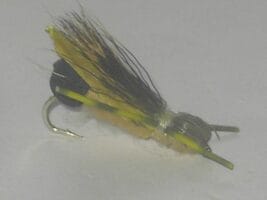
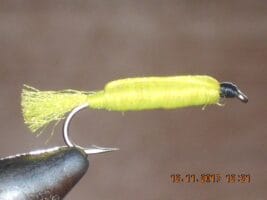
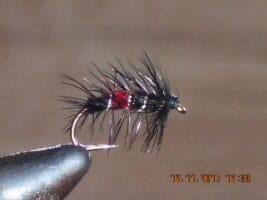
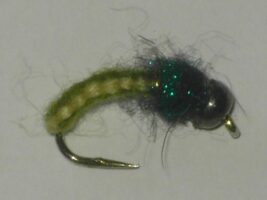
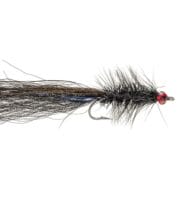
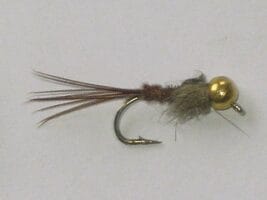
Tungsten Hare and Pheasant fly : quality Subsurface Pattern
The Tungsten Hare fly represents a masterful approach to weighted nymph design, combining classic materials with modern innovation. This meticulously crafted pattern features carefully selected premium-grade materials that create a compelling natural profile in the water, making it particularly effective for targeting trophy fish in deeper water.
The pattern showcases sophisticated design elements that set it apart from standard nymphs. Its carefully engineered tungsten head provides superior sink rates and depth control, while the combination of hare and pheasant feathers creates a highly natural yet visible profile that perfectly matches various prey items. The combination of weight and realism makes it particularly successful across different fishing situations.
Material Selection and Technical Construction
Every component is carefully selected for both performance and durability:
- Premium tungsten head
- High-quality hare fur
- Select pheasant feathers
- Durable thread base
- Heavy-duty hook selection
- Reinforced construction techniques
Strategic Fishing Applications
This pattern excels in multiple fishing scenarios:
- Deep pools and runs
- Various water depths
- Different current speeds
- Multiple water types
- Diverse conditions Each environment allows the pattern to showcase its effectiveness.
Seasonal Effectiveness
The pattern demonstrates remarkable productivity throughout the year:
- Spring: Early season hatches
- Summer: Deep-water fishing
- Fall: Pre-spawn feeding
- Winter: Technical presentations Seasonal adaptations in presentation maximize success.
Species-Specific Performance
While primarily designed for trout, the pattern proves deadly for:
- Trophy trout
- Grayling
- Pattern-specific feeders
- Various game species
- Technical water fish
Water Presentation Characteristics
Superior presentation qualities include:
- Quick sink rate
- Natural swimming action
- Realistic profile
- Perfect silhouette
- Lifelike movement
Advanced Retrieval Techniques
To maximize the pattern’s effectiveness:
- Dead-drift presentation
- Short strips
- Various speeds
- Pattern manipulation
- Depth control
Technical Advantages
Key performance benefits include:
- Superior depth control
- Natural movement in current
- Excellent hook-up ratio
- Durable construction
- Versatile fishing applications
Line and Leader Configuration
For optimal presentation:
- Weight-forward floating lines
- Shorter leader lengths
- 5X-6X tippet recommended
- Fluorocarbon options
- Proper turnover design
Environmental Adaptability
The pattern performs consistently across:
- Various water clarities
- Different current speeds
- Multiple depth ranges
- Various light conditions
- Different temperature ranges
Competition and Professional Applications
The Tungsten Hare & Pheasant has established itself in serious angling:
- Tournament-proven pattern
- Guide’s choice for technical water
- Professional competition use
- Teaching pattern for nymphing
- Reliable producer in challenging conditions
Size Variations and Pattern Modifications
Available in multiple configurations:
- Various hook sizes
- Bead weight options
- Body density variations
- Flash modifications
- Profile adjustments
Storage and Maintenance Requirements
To maintain optimal performance:
- Store in compartmented boxes
- Protect materials
- Regular inspection
- Proper drying essential
- Hook maintenance
Advanced Rigging Techniques
Multiple rigging options enhance versatility:
- Traditional nymph setup
- Deep presentation methods
- Multiple fly rigs
- Specialized leader designs
- Depth control techniques
Historical Context and Evolution
The pattern’s development reflects:
- Traditional nymph foundations
- Modern material incorporation
- Refined proportions
- Proven effectiveness
- Technical innovation
Quality Control Standards
Each fly maintains strict requirements:
- Precise head placement
- Proper proportioning
- Construction integrity
- Material selection
- Pattern uniformity
Fishing Location Selection
Optimal fishing locations include:
- Deep runs
- Current seams
- Feeding lanes
- Structure edges
- Depth transitions
Weather and Condition Considerations
Pattern effectiveness varies with:
- Water levels
- Current speed
- Water clarity
- Temperature
- Barometric pressure
Presentation Techniques
Achieving proper presentation through:
- Accurate casting
- Proper mending
- Drift control
- Distance management
- Line control
Color and Profile Characteristics
The pattern’s natural coloration provides:
- Perfect imitation
- Realistic appearance
- Low-light effectiveness
- Natural match
- Effective contrast
Movement Characteristics
Natural movement achieved through:
- Weight distribution
- Current interaction
- Body design
- Material flexibility
- Presentation technique
Durability Features
Construction elements ensuring longevity:
- Reinforced head attachment
- Quality material selection
- Proper proportioning
- Strategic construction
- Hook point protection
Target Species Behavior
Understanding fish response to:
- Natural imitation
- Pattern visibility
- Movement triggers
- Feeding patterns
- Strike triggers
Water Type Adaptations
Effective across various waters:
- Fast rivers
- Deep pools
- Technical water
- Various currents
- Different depths
Casting Techniques
Specialized casting methods:
- High-stick nymphing
- Tuck casting
- Line speed control
- Loop formation
- Wind adaptation
Strike Detection
Recognizing takes through:
- Line hesitation
- Leader movement
- Direct observation
- Visual cues
- Tactile detection
Hook Setting Techniques
Proper hook setting through:
- Timing considerations
- Pressure control
- Direction management
- Follow-through
- Fish behavior reading
Fighting Techniques
Landing fish effectively:
- Pressure application
- Direction control
- Line management
- Fish behavior adaptation
- Landing strategies