Description
Product Overview and Heritage
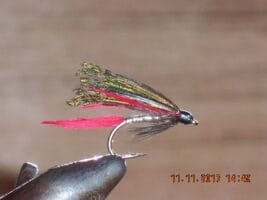
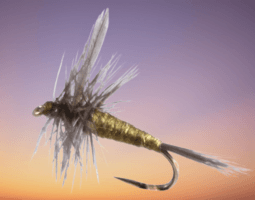
The Blue Winged Olive Traditional represents the classic evolution in dry fly design, featuring time-tested materials and proportions that have proven effective for generations. This timeless pattern embodies the traditional Catskill-style dry fly construction, making it particularly effective during Blue Wing Olive hatches when precise imitation is crucial. The combination of upright wings, classic hackle, and exact proportions creates a highly effective pattern that has consistently produced results for decades.
Design Philosophy and Material Innovation
The pattern’s effectiveness stems from its carefully engineered components:
- Premium dry fly hook
- Traditional upright wings
- Precise body proportions
- Classic olive dubbing
- Durable construction
- Perfect float design
- Realistic profile
- Traditional materials
- Time-tested techniques
- Natural movement properties
Technical Specifications
Hook Characteristics:
- Premium dry fly hook
- Available sizes: 16-22
- Light wire construction
- Standard-eye design
- Chemically sharpened point
- Wide gape configuration
- Bronze finish
- Optimal hook strength
- Enhanced penetration design
- Perfect size-to-weight ratio
Material Properties:
- Selected hackle fibers
- Premium olive dubbing
- Traditional wing materials
- Water-resistant treatments
- Enhanced durability
- Quality natural materials
- Classic construction
- Color-fast characteristics
- Float enhancement
- Profile consistency
Construction and Tying Process
The pattern’s success relies on precise construction methods:
- Balanced proportions
- Traditional wing setting
- Graduated body tapering
- Reinforced connections
- Material integration
- Enhanced durability features
- Classic hackle application
- Body segmentation
- Profile consistency
- Float optimization
Fishing Applications and Techniques
Presentation Methods:
- Dead drift
- Slight twitches
- Multiple drift angles
- Drag management
- Pattern placement
- Surface presentation
- Current seam fishing
- Structure targeting
- Cross-current drifts
- Action variation
Specialized Applications:
- BWO hatches
- Technical water
- Spring creeks
- Tailwaters
- Clear water
- Selective trout
- Evening fishing
- Match-the-hatch
- Surface feeding
- Flat water
Seasonal Effectiveness
Spring Performance:
- Prime BWO season
- Cloudy days
- Initial emergence
- Water level variations
- Mixed techniques
- Weather changes
- Pattern selection
- Temperature increases
- Fish movement
- Feeding windows
Summer Strategy:
- Early morning
- Evening activity
- Temperature changes
- Feeding patterns
- Oxygen levels
- Light penetration
- Fish behavior
- Water conditions
- Current seams
- Structure targeting
Fall Applications:
- Second BWO peak
- Cooling waters
- Changed light conditions
- Transitional periods
- Selective takes
- Pattern visibility
- Fish location
- Temperature drops
- Migration patterns
- Feeding windows
Winter Tactics:
- Limited opportunities
- Midday hatches
- Slow presentations
- Temperature considerations
- Pattern visibility
- Fish holding patterns
- Oxygen levels
- Light penetration
- Feeding windows
- Cold water techniques
Habitat and Water Types
Water Applications:
- Spring creeks
- Tailwaters
- Mountain streams
- Lakes and ponds
- Clear pools
- Structure areas
- Current seams
- Drop-offs
- Holding water
- Pocket water
Specialized Environments:
- Crystal clear waters
- Smooth surfaces
- Shallow riffles
- Deep runs
- Complex currents
- Bank edges
- Channel drops
- Boulder fields
- Undercut banks
- Current breaks
Target Species and Behavior
Primary Species:
- Brown Trout
- Rainbow Trout
- Brook Trout
- Cutthroat Trout
- Grayling
- Selective Trout
- Technical Water Species
- Surface Feeders
Feeding Behaviors:
- Surface inspection
- Selective takes
- Pattern recognition
- Territorial behavior
- Opportunistic takes
- Selective feeding
- Strike triggers
- Visual stimulation
- Lateral line response
- Competitive feeding
Rigging Recommendations
Leader Setup:
- 12-15 foot leaders
- 6X-7X tippet
- Tapered leaders
- Fluorocarbon options
- Loop-to-loop connections
- Delicate presentation
- Proper stiffness
- Knot strength
- Breaking strain
- Abrasion resistance
Presentation Options:
- Single fly rigs
- Double dry fly rigs
- Multiple fly systems
- Traditional methods
- Modern techniques
- Line matching
- Leader design
- Tippet selection
- Float enhancement
- Depth control
Professional Applications
Guide Usage:
- Client-friendly pattern
- Proven success rates
- Visibility advantages
- Easy presentation
- Multiple techniques
- Teaching tool
- Confidence pattern
- Versatile applications
- Durability
- Hook-up ratio
Competition Usage:
- Tournament proven
- Technical water success
- Pressure adaptation
- Quick-change capability
- Consistent performance
- Visibility control
- Pattern rotation
- Size variation
- Color selection
- Presentation options
Care and Maintenance
Post-Fishing Care:
- Thorough drying
- Material grooming
- Hook point inspection
- Wing maintenance
- Hackle preservation
- Storage preparation
- UV protection
- Pattern inspection
- Shape verification
- Float testing
Storage Requirements:
- Dry environment
- UV protection
- Separate compartments
- Regular inspection
- Moisture prevention
- Temperature control
- Light protection
- Ventilation needs
- Box organization
- Inventory management
Advanced Fishing Methods
Presentation Techniques:
- Drift variations
- Drag control
- Strike detection
- Drift management
- Current reading
- Structure approach
- Pattern tracking
- Recovery methods
- Angle optimization
- Speed control
Water Reading:
- Current understanding
- Depth assessment
- Structure location
- Fish holding areas
- Presentation angles
- Feeding lanes
- Travel routes
- Rest areas
- Temperature breaks
- Current seams
Environmental Consideration
Conservation Features:
- Sustainable materials
- Durable construction
- Catch-and-release friendly
- Minimal environmental impact
- Eco-conscious design
- Material selection
- Ethical considerations
- Resource protection
- Species conservation
- Environmental awareness
Material Selection:
- Responsible sourcing
- Quality components
- Natural elements
- Ethical production
- Sustainable practices
- Environmental impact
- Material longevity
- Waste reduction
- Local materials
- Eco-conscious design